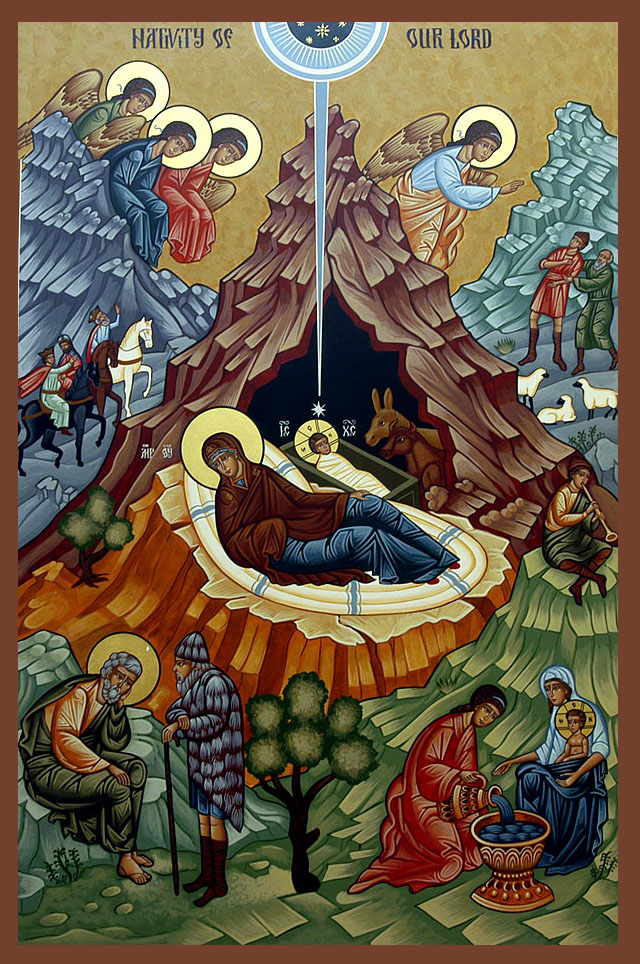
It’s hard to believe that Advent has run its course and Christmas is finally here.
Looking back at your Advent from the midst of this Feast, how well did your preparations ready you and your family to celebrate Christ’s birth?
I had an interesting, or maybe I should say a unique, experience this Advent. I might say that Advent had a shade of Lent mixed into it. It is tinged with a bit of what I shared in regard to St. John on 12/15.
What I mean by that is that Lent’s characteristic introspective turn toward all-things-sinful crept into my Advent, and Christmas became an experience of redemption.
But not just an abstraction, the general notion of being saved from sin. Very specific; targeted; precision surgery in my life. A vivid sense that the birth of the Savior heralded the death of my sins; that the blazing Light coming into the world threatened to overthrow the shadows within.
To overthrow. Not just to 'pardon', if pardoning is seen as simply a kind of divine amnesia that kindly forgets the darkness deep within me. No, this grace seeks not to overlook but to overcome the springs of darkness that well up from places within I cannot get to by mere willful struggle.
Rather, this Lumen is something so deep, so primal that it is from the deepest core of who I am that I am being re-created; re-born. And though this creating/birthing event is wholly a work of grace, it requires, again and again, my free consent.
Not only do I believe this as a doctrine of faith, but it is how I have come to experience this primal grace. Indeed, the experience confirms to me again and again St. Teresa's pithy insight: "When you commit to the life of prayer, you will either succumb to the transformative work of grace within, or you will cease to pray." Often, it is when I begin to sense that God is probing too deeply that I find my finest excuses not to pray. But I digress into realms too personal.
We have Mary to thank for permitting this invasion of Light into the night.
During Advent the Light from Light gestated in Mary's womb; Mary, whom we confessed on 12/8 to be the most radical re-creation of God.
Now the Light has dawned, the Sun has shown its face above our horizon and the shadows take flight.
Alleluia!
Presently, the Light gestates in the heart of the Church, awaiting birth into a world enveloped by night’s cold and thick sway. Christ longs to come to birth that He might redeem and save what is wounded, lost and lifeless.
Let us now consent anew to His birth within. Truth born into my lies; compassion into my apathy; mercy into my unforgiveness; justice into my injustices; trust into my fears. And so on.
Every birth contains a risk. In this Feast if we consent to labor Christ into this world, we can be certain that He will deliver us from all evil; beginning with the evil that is within.
I consent, O Lord, as Mary once did: come and be born again in me.
I believe.
O my child,
child of sweetness,
How is it that I hold thee,
Almighty?
And how that I feed thee,
Who gives bread to all?
How is it that I swaddle thee,
Who with the clouds
encompasses the whole earth?
+ Orthodox Liturgy
Amen.
Merry Christmas. Christ is born! Glorify Him!
Sunday, December 26, 2010

Wednesday, December 15, 2010
San Juan de la Cruz
Yesterday was the feast of St. John of the Cross.
I love St. John, but with a holy fear and a bit of trembling. For those who come to know him, he inspires awe. He was also my PhD dissertation subject of analysis.
Three years of chewing on his words.
I can say with gusty conviction that those three years I spent reading and re-reading his poems and commentaries, letters and aphorisms were years of unparalleled challenge in my life.
Why?
First and foremost, the task of mastering anything is an arduous one that brings out the worst and the best in you. Like academic boot camp. In addition, mastering texts of such depth, complexity and challenge was an arduous, even if ardent, journey.
But that was not the real challenge.
The real challenge was this: digesting St. John's words in mind and heart is like eating enriched uranium. It has the capacity to burn and wound, or to expose and break down your inner world, rearranging it in ways that can be both disorienting and frightening. If you have ever tasted the truth of the question, 'Have you been read by a good book lately?', you will get the gist of my point.
St. John is a master of self-knowledge, and especially of knowledge that exposes within the reader the profoundly ego-centric dynamics of our spiritual life. Original sin's primary effect, he says, is to make us curvatus in se – curved in on ourselves. As he pithily puts it, 'Most seek not God within the self, but rather seek the self in God.' In other words, so much of my own spiritual life is about 'me' and not about 'God.' Conversion is at root, for St. John, the dismantling of the elaborate machinery of this inward-curved, ego-centric inner-world, and the gradual re-construction of a self that is made in God's image: oriented fundamentally toward love of God and of neighbor.
For St John, it's nothing other than going down, in full-existential depth, into the watery font we once pledged to die and rise in.
Or
It's a call to Heliotropic life: wholly Sun-centered.
This dismantling process is indeed a painful, relentless and ruthless project of divine grace flowing from the life-giving Cross; one that draws us through what St John famously calls the 'dark nights'. But its end is joy. Many Christians, St John says, though they live in a state of grace still refuse to pass willingly through this purging process and instead hide in self-pity, worldly distractions and pleasures. Their final re-orientation and ego-dismantling will have to await Purgatory's refining fires when the choice to freely engage God's grace will be no more.
But the revolution is for here, not there. For St John, it is those Christians who freely consent to these dark nights, and to the graced revolution from ego-centrism to theo-centrism, who rock the world with a sanctity made of costly grace.
Why?
Because they have freely consented to allow God to unleash His radical redemption into the world through/with/in them. These revolutionaries unleash God's holiness, God's truth, God's reign, God's beauty into both Church and World.
The truest reformers are the reformed. They are radical because God's redeeming grace has redeemed them down into the deepest roots of their soul.
What might that revolutionary path look like in daily practice? Let me allow St John answer that question. I only ask that, as you read this selection, you to imagine John speaking these words into your state in life – if that is not a monastery, then marriage, single life, work, the sick bed...
To practice the second counsel, which concerns mortification, and profit by it, you should engrave this truth on your heart. And it is that you have not come to the monastery for any other reason than to be worked and tried in virtue; you are like the stone that must be chiseled and fashioned before being set in the building. Thus you should understand that those who are in the monastery are craftsmen placed there by God to mortify you by working and chiseling at you. Some will chisel with words, telling you what you would rather not hear; others by deed, doing against you what you would rather not endure; others by their temperament, being in their person and in their actions a bother and annoyance to you; and others by their thoughts, neither esteeming nor feeling love for you. You ought to suffer these mortifications and annoyances with inner patience, being silent for love of God and understanding that you did not enter the religious life for any other reason than for others to work you in this way, and so you become worthy of heaven. If this was not your reason for entering the religious state, you should not have done so, but should have remained in the world to seek your comfort, honor, reputation, and ease.
May this Advent prepare your life to receive a Savior who wants to save you in ways you cannot yet imagine....
Be not afraid.
I love St. John, but with a holy fear and a bit of trembling. For those who come to know him, he inspires awe. He was also my PhD dissertation subject of analysis.
Three years of chewing on his words.
I can say with gusty conviction that those three years I spent reading and re-reading his poems and commentaries, letters and aphorisms were years of unparalleled challenge in my life.
Why?
First and foremost, the task of mastering anything is an arduous one that brings out the worst and the best in you. Like academic boot camp. In addition, mastering texts of such depth, complexity and challenge was an arduous, even if ardent, journey.
But that was not the real challenge.
The real challenge was this: digesting St. John's words in mind and heart is like eating enriched uranium. It has the capacity to burn and wound, or to expose and break down your inner world, rearranging it in ways that can be both disorienting and frightening. If you have ever tasted the truth of the question, 'Have you been read by a good book lately?', you will get the gist of my point.
St. John is a master of self-knowledge, and especially of knowledge that exposes within the reader the profoundly ego-centric dynamics of our spiritual life. Original sin's primary effect, he says, is to make us curvatus in se – curved in on ourselves. As he pithily puts it, 'Most seek not God within the self, but rather seek the self in God.' In other words, so much of my own spiritual life is about 'me' and not about 'God.' Conversion is at root, for St. John, the dismantling of the elaborate machinery of this inward-curved, ego-centric inner-world, and the gradual re-construction of a self that is made in God's image: oriented fundamentally toward love of God and of neighbor.
For St John, it's nothing other than going down, in full-existential depth, into the watery font we once pledged to die and rise in.
Or
It's a call to Heliotropic life: wholly Sun-centered.
This dismantling process is indeed a painful, relentless and ruthless project of divine grace flowing from the life-giving Cross; one that draws us through what St John famously calls the 'dark nights'. But its end is joy. Many Christians, St John says, though they live in a state of grace still refuse to pass willingly through this purging process and instead hide in self-pity, worldly distractions and pleasures. Their final re-orientation and ego-dismantling will have to await Purgatory's refining fires when the choice to freely engage God's grace will be no more.
But the revolution is for here, not there. For St John, it is those Christians who freely consent to these dark nights, and to the graced revolution from ego-centrism to theo-centrism, who rock the world with a sanctity made of costly grace.
Why?
Because they have freely consented to allow God to unleash His radical redemption into the world through/with/in them. These revolutionaries unleash God's holiness, God's truth, God's reign, God's beauty into both Church and World.
The truest reformers are the reformed. They are radical because God's redeeming grace has redeemed them down into the deepest roots of their soul.
What might that revolutionary path look like in daily practice? Let me allow St John answer that question. I only ask that, as you read this selection, you to imagine John speaking these words into your state in life – if that is not a monastery, then marriage, single life, work, the sick bed...
To practice the second counsel, which concerns mortification, and profit by it, you should engrave this truth on your heart. And it is that you have not come to the monastery for any other reason than to be worked and tried in virtue; you are like the stone that must be chiseled and fashioned before being set in the building. Thus you should understand that those who are in the monastery are craftsmen placed there by God to mortify you by working and chiseling at you. Some will chisel with words, telling you what you would rather not hear; others by deed, doing against you what you would rather not endure; others by their temperament, being in their person and in their actions a bother and annoyance to you; and others by their thoughts, neither esteeming nor feeling love for you. You ought to suffer these mortifications and annoyances with inner patience, being silent for love of God and understanding that you did not enter the religious life for any other reason than for others to work you in this way, and so you become worthy of heaven. If this was not your reason for entering the religious state, you should not have done so, but should have remained in the world to seek your comfort, honor, reputation, and ease.
May this Advent prepare your life to receive a Savior who wants to save you in ways you cannot yet imagine....
Be not afraid.
Wednesday, December 8, 2010
Advent Retreat journal entry
For Advent this year, I went to retreat @ New Melleray Abbey.
I am here as I write.
The countryside is blanketed in freshly fallen snow;
a veritable sacrament of this feast of Mary's Immaculate Conception.
The silence outside is deafening;
the silence inside, pregnant.
There are no clocks here, anywhere.
None.
I looked.
Only the bells that sound the rhythm of worship.
The walls are stone, unadorned.
Stark, assaulting, unassuming beauty.
Beauty?
Yes, for somehow they say,
"Not us! Not us!
But Him who made us."
A silent Advent witness.
Silent stones bathed in the prayer of countless years.
No clocks to count.
Only bells.
And psalms in an endless procession;
chanted, spoken, murmured.
Psalmody, sung by monks who seem to defy
the clocks.
Here,
I find my life's complication and distraction
stripped away; forgotten;
or at least worn down.
I notice in the simplicity
the wilderness Voice seems audible;
or at least wilder.
Like the voice of a madman
crying out in the desert;
camel-hair clad;
divinely drunk, raw folly;
untamed by civil life
with words deadly as a knife
plunged deep within, into my heart;
threatening a thousand trifles:
repent!
I feel so alone, stripped of their cling;
but strangely, Alone.
I must go now, for the bells ring
and the clock awaits my return.
I am here as I write.
The countryside is blanketed in freshly fallen snow;
a veritable sacrament of this feast of Mary's Immaculate Conception.
The silence outside is deafening;
the silence inside, pregnant.
There are no clocks here, anywhere.
None.
I looked.
Only the bells that sound the rhythm of worship.
The walls are stone, unadorned.
Stark, assaulting, unassuming beauty.
Beauty?
Yes, for somehow they say,
"Not us! Not us!
But Him who made us."
A silent Advent witness.
Silent stones bathed in the prayer of countless years.
No clocks to count.
Only bells.
And psalms in an endless procession;
chanted, spoken, murmured.
Psalmody, sung by monks who seem to defy
the clocks.
Here,
I find my life's complication and distraction
stripped away; forgotten;
or at least worn down.
I notice in the simplicity
the wilderness Voice seems audible;
or at least wilder.
Like the voice of a madman
crying out in the desert;
camel-hair clad;
divinely drunk, raw folly;
untamed by civil life
with words deadly as a knife
plunged deep within, into my heart;
threatening a thousand trifles:
repent!
I feel so alone, stripped of their cling;
but strangely, Alone.
I must go now, for the bells ring
and the clock awaits my return.
Saturday, December 4, 2010
Creator of the Stars of Night. . .
A micro blog here.
Scientists have offered a new guesstimate of the size of our cosmos.
300 sextillion.
O Thou, Maker of vastest space
we laud and magnify Thy Grace
which bowed into that lowly Place
where starlight bathed Thy infant Face.
How great is our God.
Let us worship.
Scientists have offered a new guesstimate of the size of our cosmos.
300 sextillion.
O Thou, Maker of vastest space
we laud and magnify Thy Grace
which bowed into that lowly Place
where starlight bathed Thy infant Face.
How great is our God.
Let us worship.
Tuesday, November 30, 2010
Advent musings
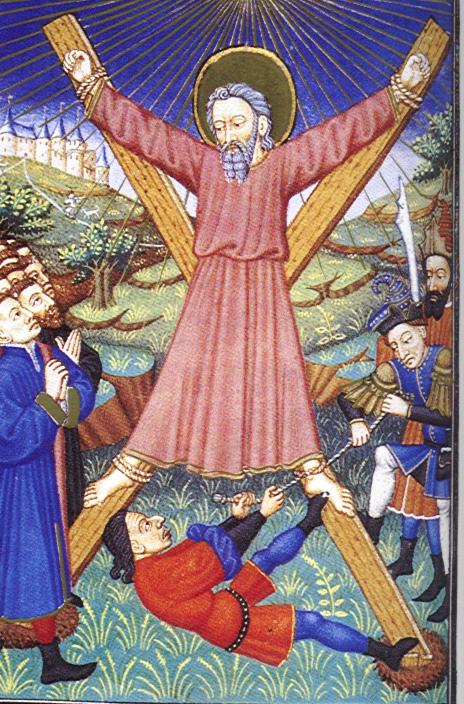
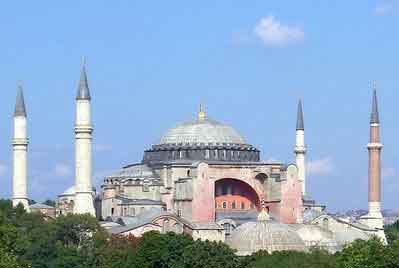
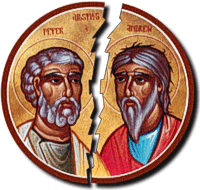
Today is the Feast of St. Andrew, St. Peter's brother. A great feast of an extraordinary apostle who is said to have brought the Gospel to Asia Minor and in Scythia, along the Black Sea as far as the Volga and Kiev in present day Ukraine. He was martyred by crucifixion. The Patriarchal See of Constantinople (aka Istanbul), which is reverenced as second in order of primacy after the See of Rome, is said to have been founded by St. Andrew. Patriarch Bartholomew I claims the title of the 271st successor of St. Andrew, just as Pope Benedict claims to be the 265th successor of St. Peter. Every year on this day, the Roman Pope sends special greetings to the Patriarch as a "brother in the Lord."
Friday is the feast of St Francis Xavier, a most remarkable and unique member of the communion of saints. Along with St. Patrick, he stands out among Christian missionaries as a master of planting the seeds of the Gospel in a way that allows the Faith to truly grow from within a culture. In his case, that included India, Japan, China and other far east lands. I highly recommend making this documentary of his life part of your sacra media collection. You can preview it in this trailer.
If he were alive today, he would be evangelizing the Digital Continent with unparalleled passion.
Oh, and in the marvelous tradition of edgy Catholic culture, Xavier's body is reverenced in radical rawness.
Advent has also begun. A season of longing, and desire; of anticipation and of waiting. Unlike Lent's preparation for Christ's dying and rising, it is not for Roman Catholics a season of penance and sorrow. Rather, it is a season of preparation for the superabundant joy flowing from God's gentle, hidden birth. It is the season that calls all Christians to become "spiritual Semites" with Hebrew hearts that long for the Messiah's coming. Hence, our spiritual practices during Advent should be geared toward carving out in our lives a capacity to long in hope for the God who is coming to save us.
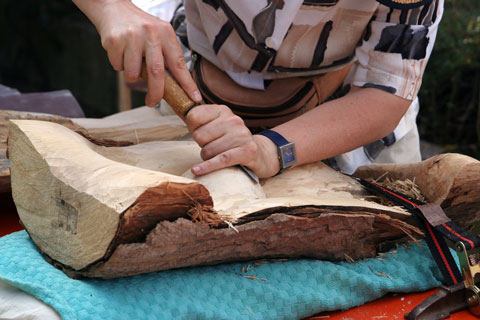
How do you plan to carve your soul? Carve out time to long. Carve out silence to listen. Carve out busy-ness to watch and wait. Carve out possessions and wealth to sate others' most basic needs.
Of late we also have seen in the news media a frenzy of commentary over Pope Benedict's new book. More specifically, over a brief comment made by the Pope on the role of condoms in stopping the spread of AIDS. They provoked a firestorm of critical chatter, and gave witness to an extra-ordinary fact: the Pope still retains the capacity to stir the global conscience. Much of the debate over his comments on the provisional use of condoms in certain circumstances has actually not manifested real interest in the intricacies of his actual ethical argument, but rather has sought to expose a fissure in the Church's rejection of artificial contraception as a morally permissible means of avoiding pregnancy or spreading STDs. Such headlines read: "Pope's comments: Game Changer."
I won't take time to elaborate the arguments on all sides, but rather I wish to point out a few useful web resources I have found that think faithfully and intelligently.
A bit on the book.
Bits of the conversation itself.
A bit of the background music.
A bit of the tangled web of lesser evils.
A bit of analogy to understand the issue.
A bit of word Smith.
A bit of outsider-speak.
A bit of Times opine.
I think this is enough text for a day. A blessed Advent. O Come, O Come Emmanuel!
Friday is the feast of St Francis Xavier, a most remarkable and unique member of the communion of saints. Along with St. Patrick, he stands out among Christian missionaries as a master of planting the seeds of the Gospel in a way that allows the Faith to truly grow from within a culture. In his case, that included India, Japan, China and other far east lands. I highly recommend making this documentary of his life part of your sacra media collection. You can preview it in this trailer.
If he were alive today, he would be evangelizing the Digital Continent with unparalleled passion.
Oh, and in the marvelous tradition of edgy Catholic culture, Xavier's body is reverenced in radical rawness.
Advent has also begun. A season of longing, and desire; of anticipation and of waiting. Unlike Lent's preparation for Christ's dying and rising, it is not for Roman Catholics a season of penance and sorrow. Rather, it is a season of preparation for the superabundant joy flowing from God's gentle, hidden birth. It is the season that calls all Christians to become "spiritual Semites" with Hebrew hearts that long for the Messiah's coming. Hence, our spiritual practices during Advent should be geared toward carving out in our lives a capacity to long in hope for the God who is coming to save us.
How do you plan to carve your soul? Carve out time to long. Carve out silence to listen. Carve out busy-ness to watch and wait. Carve out possessions and wealth to sate others' most basic needs.
Of late we also have seen in the news media a frenzy of commentary over Pope Benedict's new book. More specifically, over a brief comment made by the Pope on the role of condoms in stopping the spread of AIDS. They provoked a firestorm of critical chatter, and gave witness to an extra-ordinary fact: the Pope still retains the capacity to stir the global conscience. Much of the debate over his comments on the provisional use of condoms in certain circumstances has actually not manifested real interest in the intricacies of his actual ethical argument, but rather has sought to expose a fissure in the Church's rejection of artificial contraception as a morally permissible means of avoiding pregnancy or spreading STDs. Such headlines read: "Pope's comments: Game Changer."
I won't take time to elaborate the arguments on all sides, but rather I wish to point out a few useful web resources I have found that think faithfully and intelligently.
A bit on the book.
Bits of the conversation itself.
A bit of the background music.
A bit of the tangled web of lesser evils.
A bit of analogy to understand the issue.
A bit of word Smith.
A bit of outsider-speak.
A bit of Times opine.
I think this is enough text for a day. A blessed Advent. O Come, O Come Emmanuel!
Thursday, November 18, 2010
A poem I wrote for the Feast of Christ the King.
Christ the King
God fell from his splendorous Throne
where angel-fires hymn ceaseless praise;
allured, drawn down by our plaintive tone:
Hopeless Flesh, choked by sin’s toxic haze.
He Tented, strolled among us in desert breeze
with words of life, mercy and boundless grace,
permitting us to treat him as we freely please;
setting before us, made-fragile, his gentle Face.
But we, I shudder to tell, in haste fashioned a throne,
and tore at him as beasts raging o’er a fallen lamb;
we marred that Face in violence, no-mercy shown;
Love spurned, crushed, cursed among the damned.
But His vantage – Otherwise! – bore us brightest hope,
for our savage mutiny, born of a base and fallen past
was to him a fertile sign, new-hymn, angelic Trope:
“His Love, stronger than death; His mercies, countless-vast.”
Let us rejoice on this feast of Christ's reign from the Tree of Life!
Alleluia!
God fell from his splendorous Throne
where angel-fires hymn ceaseless praise;
allured, drawn down by our plaintive tone:
Hopeless Flesh, choked by sin’s toxic haze.
He Tented, strolled among us in desert breeze
with words of life, mercy and boundless grace,
permitting us to treat him as we freely please;
setting before us, made-fragile, his gentle Face.
But we, I shudder to tell, in haste fashioned a throne,
and tore at him as beasts raging o’er a fallen lamb;
we marred that Face in violence, no-mercy shown;
Love spurned, crushed, cursed among the damned.
But His vantage – Otherwise! – bore us brightest hope,
for our savage mutiny, born of a base and fallen past
was to him a fertile sign, new-hymn, angelic Trope:
“His Love, stronger than death; His mercies, countless-vast.”
Let us rejoice on this feast of Christ's reign from the Tree of Life!
Alleluia!
A week of fascinating and electric events; though I only name a few.
New York's Archbishop Timothy Dolan has been elected president of the United States Catholic Conference of Bishops. Following on the steady, erudite and simply Catholic Francis Cardinal George, Dolan bears what John Allen calls an "affirmative orthodoxy" - that is, the capacity to wed thinking-with-the-Church and bridge-building skills. Ironically, the choice of a bridge builder meant breaking with the time-honored tradition among the bishops of elevating the vice-prez of the Conference to presidential status. Dolan was chosen over former-VP, Gerald F. Kicanas of Tucson, AZ.
A victory for la derecha?
Predictable use of the right-left paradigms for interpreting this choice - "Dolan: a move to the right" - not only import categories alien to the Church's life, but they also seem to miss the deeper significance of the choice of Dolan the bridge-builder: addressing the fractious condition of the Church in America. We need healing that leads to a new, deeper and more dynamic unity rooted in the Church's living faith in Christ; a unity that demonstrates that Catholic Truth can be a joyful common ground of communion within the Church, and a leaven of unity outside the Church in our culturally anemic society. Watch a bit of Dolan to catch this sense.
Something like that.
Then Fr. John Riccardo came to Des Moines this week to offer a reflection on the nature of diabolical temptation. Essentially, he said, the trademark of Evil is to divide, to create separations of mistrust and suspicion and fear between God and humanity, and among human beings. The only path to healing is, he said, the reconciling work of Christ in the Spirit, which heals the wounds of sin and division; and restores childlike trust in the merciful love of God the Father.
It was delivered with great skill and conviction - he is a natural teacher. ~1300 people attended. Extraordinary. What draws such large numbers of people? No doubt, we could list a profusion of cogent reasons. But let me suggest the one that stood out most to me. Fr. John exudes joy and serene confidence in what he proclaims. This is, I would argue, what people hunger for in their Church: leaders who exude joy and confidence in their Faith. Maybe one could say that these two qualities stand out in a culture increasingly dominated by skepticism and a joyless addiction to quick-fix pleasure.
God bless your day.
New York's Archbishop Timothy Dolan has been elected president of the United States Catholic Conference of Bishops. Following on the steady, erudite and simply Catholic Francis Cardinal George, Dolan bears what John Allen calls an "affirmative orthodoxy" - that is, the capacity to wed thinking-with-the-Church and bridge-building skills. Ironically, the choice of a bridge builder meant breaking with the time-honored tradition among the bishops of elevating the vice-prez of the Conference to presidential status. Dolan was chosen over former-VP, Gerald F. Kicanas of Tucson, AZ.
A victory for la derecha?
Predictable use of the right-left paradigms for interpreting this choice - "Dolan: a move to the right" - not only import categories alien to the Church's life, but they also seem to miss the deeper significance of the choice of Dolan the bridge-builder: addressing the fractious condition of the Church in America. We need healing that leads to a new, deeper and more dynamic unity rooted in the Church's living faith in Christ; a unity that demonstrates that Catholic Truth can be a joyful common ground of communion within the Church, and a leaven of unity outside the Church in our culturally anemic society. Watch a bit of Dolan to catch this sense.
Something like that.
Then Fr. John Riccardo came to Des Moines this week to offer a reflection on the nature of diabolical temptation. Essentially, he said, the trademark of Evil is to divide, to create separations of mistrust and suspicion and fear between God and humanity, and among human beings. The only path to healing is, he said, the reconciling work of Christ in the Spirit, which heals the wounds of sin and division; and restores childlike trust in the merciful love of God the Father.
It was delivered with great skill and conviction - he is a natural teacher. ~1300 people attended. Extraordinary. What draws such large numbers of people? No doubt, we could list a profusion of cogent reasons. But let me suggest the one that stood out most to me. Fr. John exudes joy and serene confidence in what he proclaims. This is, I would argue, what people hunger for in their Church: leaders who exude joy and confidence in their Faith. Maybe one could say that these two qualities stand out in a culture increasingly dominated by skepticism and a joyless addiction to quick-fix pleasure.
God bless your day.
Saturday, November 13, 2010
It's slipping deeper into the heart of November.
Liturgically, we are plunging into the heart of all-things-Extreme: Death, Judgment, Heaven, Hell. The four dimensions of our absolute-future where God will bring to definitive judgment every nanosecond of human and angelic - cosmic! - history. In other words, November reminds us to always keep the Big Picture before us.
St. Jerome loved to quote the Proverbs text, 'Keep death ever before you, and do not sin.' Morbid? No. Realistic? Yes. The Gift of Knowledge that we receive in the sacrament of Conformation imparts to us an intuitive grasp of this vantage, helping us see each moment of life (and each choice of each moment) as decisive: "Would I be proud to have this moment be my last as I enter the presence of Christ?"
You might say this transforms the 'eat, drink and be merry for tomorrow we die' into, 'Eat, Drink, and be merciful for tomorrow we die'.
November also calls us to pray with exceptional fervor for the souls in Purgatory. Purgatory is all-too-often sidelined in our devotional life, which is a tragic wound in the communion of saints that is Christ's Body. Indeed, it is no charity toward our departed neighbors to assume they do not need our prayers. Such is a form of forgetfulness, which is a rejection of the Christian virtue of remembrance. Remembrance can include periodically honoring the burial sites of our beloved dead, telling the good of their life-story to inspire others and sustain communion with them, or praying for them (especially in the celebration of the Eucharist) that God will complete their healing and purifying and speed them to the full vision of His glory.
Love is stronger than death.
November is the time we begin to re-stir our yearning for Christ's coming again in glory, and so is also a preparation for Advent's intensive yearning.
Maranatha! Come, Lord Jesus.
Liturgically, we are plunging into the heart of all-things-Extreme: Death, Judgment, Heaven, Hell. The four dimensions of our absolute-future where God will bring to definitive judgment every nanosecond of human and angelic - cosmic! - history. In other words, November reminds us to always keep the Big Picture before us.
St. Jerome loved to quote the Proverbs text, 'Keep death ever before you, and do not sin.' Morbid? No. Realistic? Yes. The Gift of Knowledge that we receive in the sacrament of Conformation imparts to us an intuitive grasp of this vantage, helping us see each moment of life (and each choice of each moment) as decisive: "Would I be proud to have this moment be my last as I enter the presence of Christ?"
You might say this transforms the 'eat, drink and be merry for tomorrow we die' into, 'Eat, Drink, and be merciful for tomorrow we die'.
November also calls us to pray with exceptional fervor for the souls in Purgatory. Purgatory is all-too-often sidelined in our devotional life, which is a tragic wound in the communion of saints that is Christ's Body. Indeed, it is no charity toward our departed neighbors to assume they do not need our prayers. Such is a form of forgetfulness, which is a rejection of the Christian virtue of remembrance. Remembrance can include periodically honoring the burial sites of our beloved dead, telling the good of their life-story to inspire others and sustain communion with them, or praying for them (especially in the celebration of the Eucharist) that God will complete their healing and purifying and speed them to the full vision of His glory.
Love is stronger than death.
November is the time we begin to re-stir our yearning for Christ's coming again in glory, and so is also a preparation for Advent's intensive yearning.
Maranatha! Come, Lord Jesus.
Wednesday, November 3, 2010
Iraq
I just had to give voice to my dismay over the horrific violence vented against Christians in Baghdad on October 31st.
This violence comes so soon after the recently concluded mid-east Synod in Rome, and the exquisitely beautiful plea of the Synod Bishops from Iraq, et alia for a new era of tolerance and peaceful co-existence.
Those Syrian Christians who were targeted have a long history of endurance as an oppressed minority in that region. True martyrs of the faith whose costly witness to Christ should call us to deeper conversion. The martyrdom of two priests in 06 & 08 especially symbolized this cost for Iraqi Christians. But see this extraordinary Muslim's response to the senseless violence.
But there are signs of hope even in such tragedy.
The US Bishops have made a statement in solidarity with the Iraqi Christians, with a call to action.
I encourage all to respond in support of our brothers and sisters in Christ with prayer and advocacy.
This violence comes so soon after the recently concluded mid-east Synod in Rome, and the exquisitely beautiful plea of the Synod Bishops from Iraq, et alia for a new era of tolerance and peaceful co-existence.
Those Syrian Christians who were targeted have a long history of endurance as an oppressed minority in that region. True martyrs of the faith whose costly witness to Christ should call us to deeper conversion. The martyrdom of two priests in 06 & 08 especially symbolized this cost for Iraqi Christians. But see this extraordinary Muslim's response to the senseless violence.
But there are signs of hope even in such tragedy.
The US Bishops have made a statement in solidarity with the Iraqi Christians, with a call to action.
I encourage all to respond in support of our brothers and sisters in Christ with prayer and advocacy.
Friday, October 29, 2010
Greetings!
This has been a busy week for me, but that busy-ness has allowed me chance to intersect with some very interesting people and ideas. I will share some of those with you briefly today.
But first. This week we mid-westerners tasted of the infamous Bombogenesis, which is not a reference to the first book of the Torah. Rather, it is a word created to attempt blending brilliant science and bellicose imagery. It was a fantastically amazing storm.
Then today on the Bishop’s radio show, we interviewed representatives of the Paul VI Institute that promotes natural fertility care consistent with both good medicine and good ethics. Along with its trademark Creighton Model FertilityCare System, Paul VI has created a breakthrough approach to (in)fertility called NaPro. It’s all quite extraordinary, and seems to be a new spark in a revolution that intertwines a Catholic vantage on reproductive ethics with a universal vision of the good. In other words, NaPro gives a new, scientifically grounded expression to the Catholic conviction that its own moral vision of human fulfillment is not just-4-Catholics, but is truly a human vision of fulfillment that speaks to Everyman and Everywoman. The natural moral law shakes hands with empirical science and yields wondrous results.
Check ‘em out online and spread the Good News of Natural Fertility Care. And this coming week the show will be posted on Bishop's radio page hyperlinked above.
I'm thinking maybe we could call this NaPro, in tune with the contemporary vogue of all-things-natural, Viridis Veritas – Green Truth.
God loves green, no doubt.
Then, there was that great commercial about the art of translation.
It was a great week.
Peace out.
This has been a busy week for me, but that busy-ness has allowed me chance to intersect with some very interesting people and ideas. I will share some of those with you briefly today.
But first. This week we mid-westerners tasted of the infamous Bombogenesis, which is not a reference to the first book of the Torah. Rather, it is a word created to attempt blending brilliant science and bellicose imagery. It was a fantastically amazing storm.
Then today on the Bishop’s radio show, we interviewed representatives of the Paul VI Institute that promotes natural fertility care consistent with both good medicine and good ethics. Along with its trademark Creighton Model FertilityCare System, Paul VI has created a breakthrough approach to (in)fertility called NaPro. It’s all quite extraordinary, and seems to be a new spark in a revolution that intertwines a Catholic vantage on reproductive ethics with a universal vision of the good. In other words, NaPro gives a new, scientifically grounded expression to the Catholic conviction that its own moral vision of human fulfillment is not just-4-Catholics, but is truly a human vision of fulfillment that speaks to Everyman and Everywoman. The natural moral law shakes hands with empirical science and yields wondrous results.
Check ‘em out online and spread the Good News of Natural Fertility Care. And this coming week the show will be posted on Bishop's radio page hyperlinked above.
I'm thinking maybe we could call this NaPro, in tune with the contemporary vogue of all-things-natural, Viridis Veritas – Green Truth.
God loves green, no doubt.
Then, there was that great commercial about the art of translation.
It was a great week.
Peace out.
Monday, October 25, 2010
Mid-East Catholic Synod
The Synod of Middle-Eastern Catholic Bishops that gathered in Rome completed its work on October 23, and the results of their deliberations were both hopeful and tragic.
The Bishops presented to Pope Benedict 41 proposals for action, and though Synodal proposals are usually not made public, Pope Benedict chose to make them public. No dount a sign of his concern that the world be made aware of their plight.
Here is a summary offered at the end of the Synod - well worth the read.
May the Lord grant strength and hope and valor to our brothers and sisters who bear the light of the Gospel in the Middle East.
The Bishops presented to Pope Benedict 41 proposals for action, and though Synodal proposals are usually not made public, Pope Benedict chose to make them public. No dount a sign of his concern that the world be made aware of their plight.
Here is a summary offered at the end of the Synod - well worth the read.
May the Lord grant strength and hope and valor to our brothers and sisters who bear the light of the Gospel in the Middle East.
Wednesday, October 20, 2010
Christ Our Life
For those who had the opportunity to attend the Christ Our Life conference this past weekend, I am sure you will agree that the atmosphere of the weekend was electrified with the blending of the faith of those who attended and the witness of those who spoke and sang. Christ was in our midst.
I, for one, was deeply edified by the dynamic and majestic Liturgies, the menagerie of speakers, the extra-ordinary music, the faith fellowship and the spiritual joy that permeated Wells Fargo Arena. My wife and children likewise found it uplifting.
Kudos to all those who worked tirelessly to make that event a reality.
For those who did not catch the Cardinal Arinze's radio interview with Bishop Pates, check it out in segments 2-4.
And if you want to podcast the Cardinal, he's got a trove!
May COL-Iowa bear great fruit in our Catholic community! Deo gratias!
Tom
I, for one, was deeply edified by the dynamic and majestic Liturgies, the menagerie of speakers, the extra-ordinary music, the faith fellowship and the spiritual joy that permeated Wells Fargo Arena. My wife and children likewise found it uplifting.
Kudos to all those who worked tirelessly to make that event a reality.
For those who did not catch the Cardinal Arinze's radio interview with Bishop Pates, check it out in segments 2-4.
And if you want to podcast the Cardinal, he's got a trove!
May COL-Iowa bear great fruit in our Catholic community! Deo gratias!
Tom
Tuesday, September 28, 2010
Catechetical Cantations
Yesterday, Father Thomas Dubay crossed the threshold of hope.
I was privileged to have a face to face encounter with this Marist priest, and the memory I cherish most is the experience of his childlike joy in God.
A brilliant mind, a disciplined spirit, a lover of the Church. But above all Fr. Dubay was beguiled by the ubiquitous beauty of Christ, in a way that Joseph Mary Plunkett wonderfully captured:
I see his blood upon the rose
And in the stars the glory of his eyes,
His body gleams amid eternal snows,
His tears fall from the skies.
I see his face in every flower;
The thunder and the singing of the birds
Are but his voice—and carven by his power
Rocks are his written words.
All pathways by his feet are worn,
His strong heart stirs the ever-beating sea,
His crown of thorns is twined with every thorn,
His cross is every tree.
May the Lord grant you rest from your labors, Father Dubay,
and grant you eternal access to that beauty ever-new.
Réquiem ætérnam dona ei Dómine;
et lux perpétua lúceat ei.
Requiéscat in pace.
Amen.
I was privileged to have a face to face encounter with this Marist priest, and the memory I cherish most is the experience of his childlike joy in God.
A brilliant mind, a disciplined spirit, a lover of the Church. But above all Fr. Dubay was beguiled by the ubiquitous beauty of Christ, in a way that Joseph Mary Plunkett wonderfully captured:
I see his blood upon the rose
And in the stars the glory of his eyes,
His body gleams amid eternal snows,
His tears fall from the skies.
I see his face in every flower;
The thunder and the singing of the birds
Are but his voice—and carven by his power
Rocks are his written words.
All pathways by his feet are worn,
His strong heart stirs the ever-beating sea,
His crown of thorns is twined with every thorn,
His cross is every tree.
May the Lord grant you rest from your labors, Father Dubay,
and grant you eternal access to that beauty ever-new.
Réquiem ætérnam dona ei Dómine;
et lux perpétua lúceat ei.
Requiéscat in pace.
Amen.
Subscribe to:
Posts (Atom)