‘Love one another’
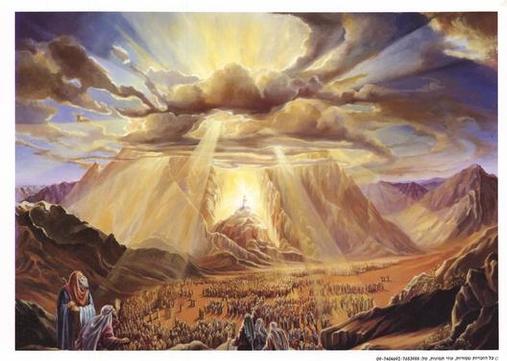
Today’s Gospel text in the Mass offers a remarkable insight into the vision of Jesus for the ‘new Israel’ he is establishing around himself at the Last Supper. As Israel was first constituted God’s people at Mount Sinai by an extraordinary encounter with the living God, so now the new Israel enters into a final covenant encounter with Israel’s God-made-flesh on Mount Zion.
A new commandment, a new covenant meal, a new leadership, a new theophany, a new exodus narrative, a new mountain, a new friendship with God.
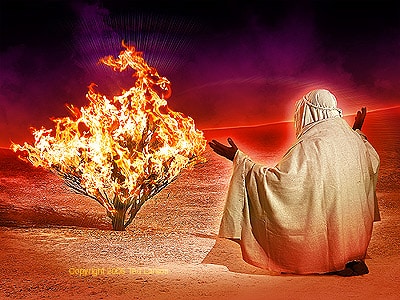
Just as Moses had encountered God as “I AM” at Mount Sinai before the exodus, only to return to Sinai after the exodus to receive the commandments from God; so the disciples, who have heard Jesus name himself “I AM” during his public ministry, now receive his commandment to love God and one another.
Hallmark
We as Church are the new Israel, marked in our deepest core by this primal commandment. We are meant to represent ‘all things new,’ inasmuch as God in Jesus has chosen us to bear his new creation: humanity reconciled, icon of God’s original intention for humanity to be a community of love.
‘One another.’
Authenticity, which is nothing other than conformity with the author’s original intention, must be the soul of our identity and the foundation of our power to attract the rest of humanity to God’s new Israel. Jesus, in the Gospel texts this week, has made it clear that the way we love one another within the Church is the first and founding witness we can offer a world which Jesus notes is marked in its deepest core by the mark of Cain: hate.
How are we doing in our Church? Can the ‘world’ peer in to our ecclesial staffs and committees, associations and ministries, clerical and lay communities and say: “so that’s how it’s supposed to look!” I always say that if we lived our faith authentically, one who looks in the dictionary to define “love” should see in place of the first definition, “See Church;” and when they flip to the word Church, they would find, “see Christ.”
Hard as nails
This love is hard, excruciating, and admits of no rest from the struggle. My trek to monthly sacramental confession is my return to the Christ of the Upper Room, facing him as he issues that command afresh to me: love one another. And I feebly echo his command with the cry, Kyrie eleison.
But I leave that sacramental encounter with Christ re-invested with the power of his commandment which, as at the moment of creation, has the power to re-create me as an icon of his love: Fiat lux!
Let me be light, O Lord. Amen.
Saturday, May 28, 2011

Wednesday, May 11, 2011
These Forty Days
Some scattered reflections from a scattered mind.
The Glory of these Forty Days
Easter season rolls along, even as nature today provides us with melodious thunder and gentle rains. This portion of the paschal season, which permits a unique sacramental and liturgical encounter with the risen-but-not-ascended Christ of the Forty Days, is such an extraordinary time of grace.
Because these Forty days are so transparent and dangerously thin to God-with-us, the Church feels bold enough to introduce the texts of St. John's Gospel into the Mass. That Gospel, which reveals so clearly in exquisite poetic rhythm the heart of the Word-made-flesh, is as close as the paper and ink of the Scriptures come to being transubstantiated by the inspiring Spirit. If it is true that in Paradise the Scriptures will pass away before the vision of God, I might venture to say the Gospel of John will still remain…
Missal Mania and Theo-speak
I have been thinking lots about the New Roman Missal of late, especially after the diocesan Missal Mania two weeks ago.
The new translation of the Mass will offer us a more augmented lexicon of faith. More theologically dense words that will give a sense of 'otherness' from our day-to-day idiom. Liturgy is meant to disrupt our 'normal' experience of life and break open in us again and again fresh wonder over God's wonderful works. Liturgy, which is meant to orient our whole life toward God, should be disorienting for those whose lives have wandered from faith's pilgrimage toward Christ rising in the East.
Con-what?
Let's take the example of the newly translated Creed. Interpreting it presents a challenge!
Consubstantial with the Father. What? Exactly. What.
A word that does not enter our day to day conversations. But we know 'substantial' in colloquial speech – it usually means something that possesses depth of meaning, enduring significance, and is satisfying. Now, that's not what the word means in a theological context, but the reference to our common use is useful and important. It is indeed a word that bears within it great depth of meaning, enduring significance, and is satisfying for a faith in quest of deeper understanding.
So, simply said – what does consubstantial mean? While trying not to get too detailed, in Greek philosophy the word substance generally was used to define the essential and unchanging "what-is-it" of particular real objects in human experience. (Real – as opposed to imaginary or potential – but not actual reality.) The inverse of substance is 'accident,' which defines the changeable, but not essential, qualities of a particular substance. So, if we define the substantial qualities of a human (e.g. body and soul), we can also define accidents (e.g. tall, old, gray hair). Hence, substance is simply the essential meaning of whatever-it-means-to-be-X; "X" being a particular real object in the world.
"Whatever-it-means-to-be-God"
In God, substance means "whatever-it-means-to-be-God;" which we really know very little about because God is in-finite (no limit) and thus beyond definition (definition is about de-finite). What we do know, we know mostly by God's revelation of Himself; though even that revelation is only an inkling of what God is in His "substance."
So, if we say that God's substance is what God is, then, as Christians, when we talk about Jesus we say – or better, we believe – that Jesus the Son of the Father is everything-that-the-Father is; whatever that might be. So, Jesus is con-substantial with the Father; he shares ("con-") with the Father "whatever-it-means-to-be-God."
This point is reemphasized differently in the other lovely creedal phrases: God from God, Light from Light; Begotten, not made; born of the Father before all ages. Whereas we creatures came to be as a result of God's free choice, the Son ever-is as a result of God's very substance. "Whatever-it-means-to-be-God" inextricably includes in its meaning the begetting of the Son from the Father's substance. Hence, we call the Father the "eternal Father" precisely because He never has been without His only-begotten Son.
"Whatever-it-means-to-be-human"
We can add one last point to this. Because the Son at a certain moment in time became human in Mary's womb, God is now also consubstantial with humanity. For whatever-it-means-to-be-human now is inextricably included in whatever-it-means-to-be-God. The difference in these two consubstantials? The "consubstantial with the Father" has no point of origin, as God has eternally "been" Father and Son. The "consubstantial with humanity" has a point of origin, located in the time and space of Mary's "yes" to the Archangel.
The Spirit, too?
Now, the Holy Spirit; is he "consubstantial" also? The answer is: yes. But in the formulation of the Creed that addresses the Spirit's identity (done in 381 A.D.), the Bishops thought it best to avoid the use of the technical term "substance" (the Greek word they used was homoousios) as they learned from the previous debates over Jesus' identity that the term carried much divisive baggage. Therefore, they chose to make the same point by using a Scriptural text from John ("proceeds from the Father"), and a liturgical argument ("who with the Father and the Son is adored and glorified") that makes the same point: the Spirit is one God with the Father and the Son.
Did I promise a simple, lucid explanation?
I lied.
The Glory of these Forty Days
Easter season rolls along, even as nature today provides us with melodious thunder and gentle rains. This portion of the paschal season, which permits a unique sacramental and liturgical encounter with the risen-but-not-ascended Christ of the Forty Days, is such an extraordinary time of grace.
Because these Forty days are so transparent and dangerously thin to God-with-us, the Church feels bold enough to introduce the texts of St. John's Gospel into the Mass. That Gospel, which reveals so clearly in exquisite poetic rhythm the heart of the Word-made-flesh, is as close as the paper and ink of the Scriptures come to being transubstantiated by the inspiring Spirit. If it is true that in Paradise the Scriptures will pass away before the vision of God, I might venture to say the Gospel of John will still remain…
Missal Mania and Theo-speak
I have been thinking lots about the New Roman Missal of late, especially after the diocesan Missal Mania two weeks ago.
The new translation of the Mass will offer us a more augmented lexicon of faith. More theologically dense words that will give a sense of 'otherness' from our day-to-day idiom. Liturgy is meant to disrupt our 'normal' experience of life and break open in us again and again fresh wonder over God's wonderful works. Liturgy, which is meant to orient our whole life toward God, should be disorienting for those whose lives have wandered from faith's pilgrimage toward Christ rising in the East.
Con-what?
Let's take the example of the newly translated Creed. Interpreting it presents a challenge!
Consubstantial with the Father. What? Exactly. What.
A word that does not enter our day to day conversations. But we know 'substantial' in colloquial speech – it usually means something that possesses depth of meaning, enduring significance, and is satisfying. Now, that's not what the word means in a theological context, but the reference to our common use is useful and important. It is indeed a word that bears within it great depth of meaning, enduring significance, and is satisfying for a faith in quest of deeper understanding.
So, simply said – what does consubstantial mean? While trying not to get too detailed, in Greek philosophy the word substance generally was used to define the essential and unchanging "what-is-it" of particular real objects in human experience. (Real – as opposed to imaginary or potential – but not actual reality.) The inverse of substance is 'accident,' which defines the changeable, but not essential, qualities of a particular substance. So, if we define the substantial qualities of a human (e.g. body and soul), we can also define accidents (e.g. tall, old, gray hair). Hence, substance is simply the essential meaning of whatever-it-means-to-be-X; "X" being a particular real object in the world.
"Whatever-it-means-to-be-God"
In God, substance means "whatever-it-means-to-be-God;" which we really know very little about because God is in-finite (no limit) and thus beyond definition (definition is about de-finite). What we do know, we know mostly by God's revelation of Himself; though even that revelation is only an inkling of what God is in His "substance."
So, if we say that God's substance is what God is, then, as Christians, when we talk about Jesus we say – or better, we believe – that Jesus the Son of the Father is everything-that-the-Father is; whatever that might be. So, Jesus is con-substantial with the Father; he shares ("con-") with the Father "whatever-it-means-to-be-God."
This point is reemphasized differently in the other lovely creedal phrases: God from God, Light from Light; Begotten, not made; born of the Father before all ages. Whereas we creatures came to be as a result of God's free choice, the Son ever-is as a result of God's very substance. "Whatever-it-means-to-be-God" inextricably includes in its meaning the begetting of the Son from the Father's substance. Hence, we call the Father the "eternal Father" precisely because He never has been without His only-begotten Son.
"Whatever-it-means-to-be-human"
We can add one last point to this. Because the Son at a certain moment in time became human in Mary's womb, God is now also consubstantial with humanity. For whatever-it-means-to-be-human now is inextricably included in whatever-it-means-to-be-God. The difference in these two consubstantials? The "consubstantial with the Father" has no point of origin, as God has eternally "been" Father and Son. The "consubstantial with humanity" has a point of origin, located in the time and space of Mary's "yes" to the Archangel.
The Spirit, too?
Now, the Holy Spirit; is he "consubstantial" also? The answer is: yes. But in the formulation of the Creed that addresses the Spirit's identity (done in 381 A.D.), the Bishops thought it best to avoid the use of the technical term "substance" (the Greek word they used was homoousios) as they learned from the previous debates over Jesus' identity that the term carried much divisive baggage. Therefore, they chose to make the same point by using a Scriptural text from John ("proceeds from the Father"), and a liturgical argument ("who with the Father and the Son is adored and glorified") that makes the same point: the Spirit is one God with the Father and the Son.
Did I promise a simple, lucid explanation?
I lied.
Monday, May 2, 2011
Random flash of joy...
Here is a fabulous Easter surprise in Lebanon at a Mall.
Be sure to click on 'cc' at the bottom of the video frame for English subtitles...
Be sure to click on 'cc' at the bottom of the video frame for English subtitles...
Sunday, May 1, 2011
Divine Mercy Sunday
This final Day of the Easter Octave, named Divine Mercy Sunday by Pope John Paul II in 2000, is a ‘hermeneutical crown’ of the eight-day-long celebration of that Eighth and final Day of creation.
Hermeneutical? The word simply means ‘interpretive’, or the science of discovering meaning. Hence, I mean that this feast of Mercy really gets to the core of Easter’s true meaning.
Eleison?
Mercy, as I intend it here, is love encountering evil and overcoming it, healing it, and raising from it surpassing goods that could never have been without those evils. Mercy structures the mysterious logic of the ‘happy fault’ of Adam that we sing of at the Easter Vigil.
The whole economy of God’s work in Jesus is at heart a work of mercy, with the Passion being the deepest center of that heart. In the Resurrection, God the Father accepted his Son’s sacrifice as a new and eternal mode of God’s being God: in the heart of the eternal Trinity is forever the risen Body of Jesus ever-marked with the signs of the Passion. God for unending ages relates to creation through the ever-open wounds of the Risen Christ. To me, this is utterly astonishing to ponder: God’s mode of being-God has been reshaped by human hatred and cruelty. This is the message embedded in the icon of Divine Mercy revealed to St. Faustina Kowalska.
Eucharistic Chaplet
It’s also the meaning of the “Chaplet of Mercy” that St. Faustina received from God in a vision. The Chaplet is a priestly offering of the Slain-Risen Lord to the Father asking God to be who he has shown himself to be in Christ: Mercy. As such, the Chaplet is an extension of the liturgical-sacramental offering of the same Slain-Risen Lord that is the holy sacrifice of the Mass.
To see this, one need only reflect on the words of Eucharistic Prayer I that follow the Consecration: “…we, your servants and your holy people, offer to your glorious majesty, from the gifts that you have given us, this pure victim, this holy victim, this spotless victim, the holy Bread of eternal life and the Chalice of everlasting salvation…”
In this sense, I have always found the Chaplet to be a superb way to prepare for, and extend forward the celebration of the holy Eucharist. It shapes in me a deeper awareness of the share in Christ's royal-priesthood I have through Baptism; a priesthood that calls me to, at every moment, not only offer my own life as a living sacrifice (Romans 12:1) to God but also to offer the living sacrifice of Christ-Crucified-Risen. It causes me to tremble.
Implore
On this Feast we commend ourselves and the whole world to God’s fierce and merciful love, asking that he heal the wounds of sin and division and raise us to become living icons of mercy.
JP2
What a remarkable joy it is to celebrate this Feast in concert with the beatification of now-Blessed John Paul II, who was to the very end an exemplary icon of that mercy.
Magnus.
Blessed JP2, we love you.
This final Day of the Easter Octave, named Divine Mercy Sunday by Pope John Paul II in 2000, is a ‘hermeneutical crown’ of the eight-day-long celebration of that Eighth and final Day of creation.
Hermeneutical? The word simply means ‘interpretive’, or the science of discovering meaning. Hence, I mean that this feast of Mercy really gets to the core of Easter’s true meaning.
Eleison?
Mercy, as I intend it here, is love encountering evil and overcoming it, healing it, and raising from it surpassing goods that could never have been without those evils. Mercy structures the mysterious logic of the ‘happy fault’ of Adam that we sing of at the Easter Vigil.
The whole economy of God’s work in Jesus is at heart a work of mercy, with the Passion being the deepest center of that heart. In the Resurrection, God the Father accepted his Son’s sacrifice as a new and eternal mode of God’s being God: in the heart of the eternal Trinity is forever the risen Body of Jesus ever-marked with the signs of the Passion. God for unending ages relates to creation through the ever-open wounds of the Risen Christ. To me, this is utterly astonishing to ponder: God’s mode of being-God has been reshaped by human hatred and cruelty. This is the message embedded in the icon of Divine Mercy revealed to St. Faustina Kowalska.
Eucharistic Chaplet
It’s also the meaning of the “Chaplet of Mercy” that St. Faustina received from God in a vision. The Chaplet is a priestly offering of the Slain-Risen Lord to the Father asking God to be who he has shown himself to be in Christ: Mercy. As such, the Chaplet is an extension of the liturgical-sacramental offering of the same Slain-Risen Lord that is the holy sacrifice of the Mass.
To see this, one need only reflect on the words of Eucharistic Prayer I that follow the Consecration: “…we, your servants and your holy people, offer to your glorious majesty, from the gifts that you have given us, this pure victim, this holy victim, this spotless victim, the holy Bread of eternal life and the Chalice of everlasting salvation…”
In this sense, I have always found the Chaplet to be a superb way to prepare for, and extend forward the celebration of the holy Eucharist. It shapes in me a deeper awareness of the share in Christ's royal-priesthood I have through Baptism; a priesthood that calls me to, at every moment, not only offer my own life as a living sacrifice (Romans 12:1) to God but also to offer the living sacrifice of Christ-Crucified-Risen. It causes me to tremble.
Implore
On this Feast we commend ourselves and the whole world to God’s fierce and merciful love, asking that he heal the wounds of sin and division and raise us to become living icons of mercy.
JP2
What a remarkable joy it is to celebrate this Feast in concert with the beatification of now-Blessed John Paul II, who was to the very end an exemplary icon of that mercy.
Magnus.
Blessed JP2, we love you.
Subscribe to:
Posts (Atom)